
Similar to Vita Nostra, Daughter from the Dark defies simple attempts at explanation. While it is straightforward on the surface, it’s clear to a reader that there are many depths and dangers lying beneath that topmost narrative layer. It’s almost absurdist, in some respects. Humorous at times. It’s a power struggle between two opposite characters – one who is driven and focused in the extreme, and one who is cowardly, fearful, and selfish. Both are dysfunctional in their own unique ways, struggling to navigate a world filled with death, pain, and hunger. They hurt one another, sometimes intentionally and sometimes not. Marina and Sergey Dyachenko, joined by translator Julia Hersey, take us on a dark dive into the human psyche once again, forcing the brightness of the unknown to cast stark shadows that define the edges of our own reality.
Tag Archives: reading
The Four Profound Weaves by R. B. Lemberg
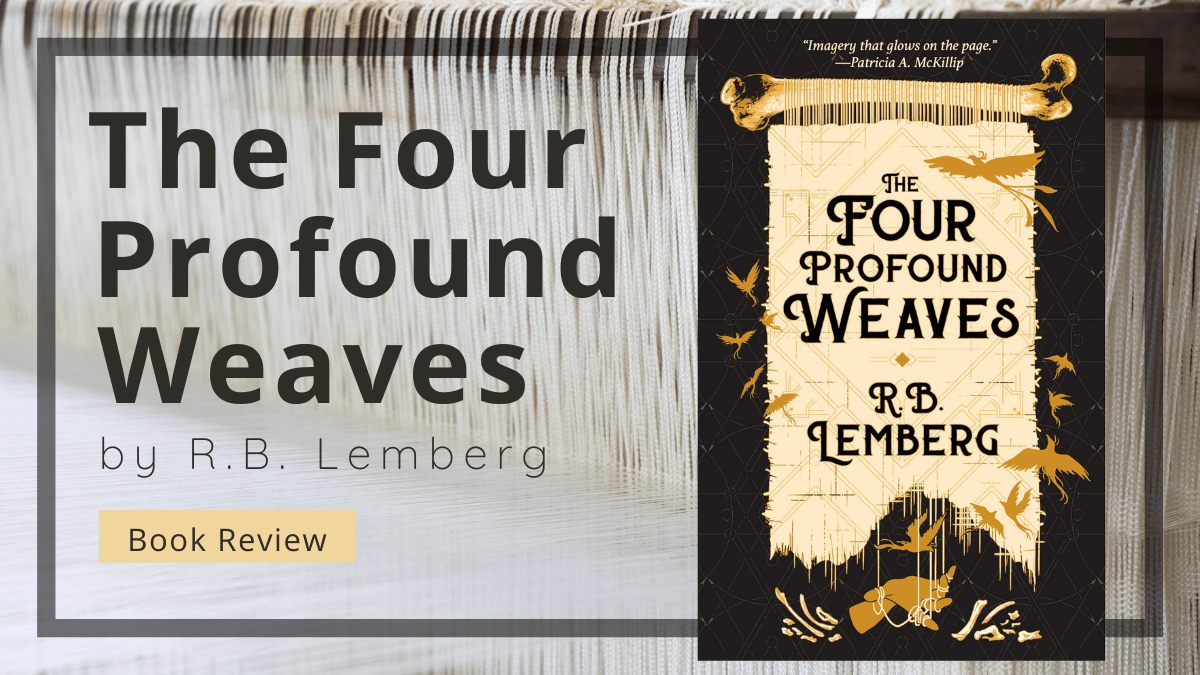
R. B. Lemberg’s first foray into long-form fiction has left me breathless. The Four Profound Weaves is a love ballad sung straight into the hearts of those who most need to hear it. I was instantly captivated by the poetic, lyrical prose and drawn in with dreams of sandbirds. It’s the queer, Middle-Eastern fairy tale we’ve been waiting for.
Starving to Death in Brunswick West by Marlee Jane Ward

Marlee tells us a story in which no one is safe – and it’s not just the virus that endangers them. It’s the way communities fracture, the food scarcity, and the lack of infrastructure in place to handle a disaster. This is a rupture in the fabric of society.
The vision of plague Marlee creates is told in just a few small vignettes. Specifically, ones focused on meal time. First, there are rustlings in the new while she makes baked risotto. Later, they’re lucky to have beans. Soon, they’re grateful for a meager mix of flour and water. It’s desperate, and real.
Sixteenth Watch by Myke Cole
In light of new information regarding Myke Cole, I can no longer endorse any of his work, including Sixteenth Watch. While at the time I enjoyed this book thoroughly, in retrospect, it has proven to be a shitty piece of false, performative “feminism.” Many women and nonbinary individuals within the writing community have come forward sharing their stories as to how Myke abused them. Some of their stories are below. I recommend clicking through for the full context.
Badass Moms in the Zombie Apocalypse by Rae Carson
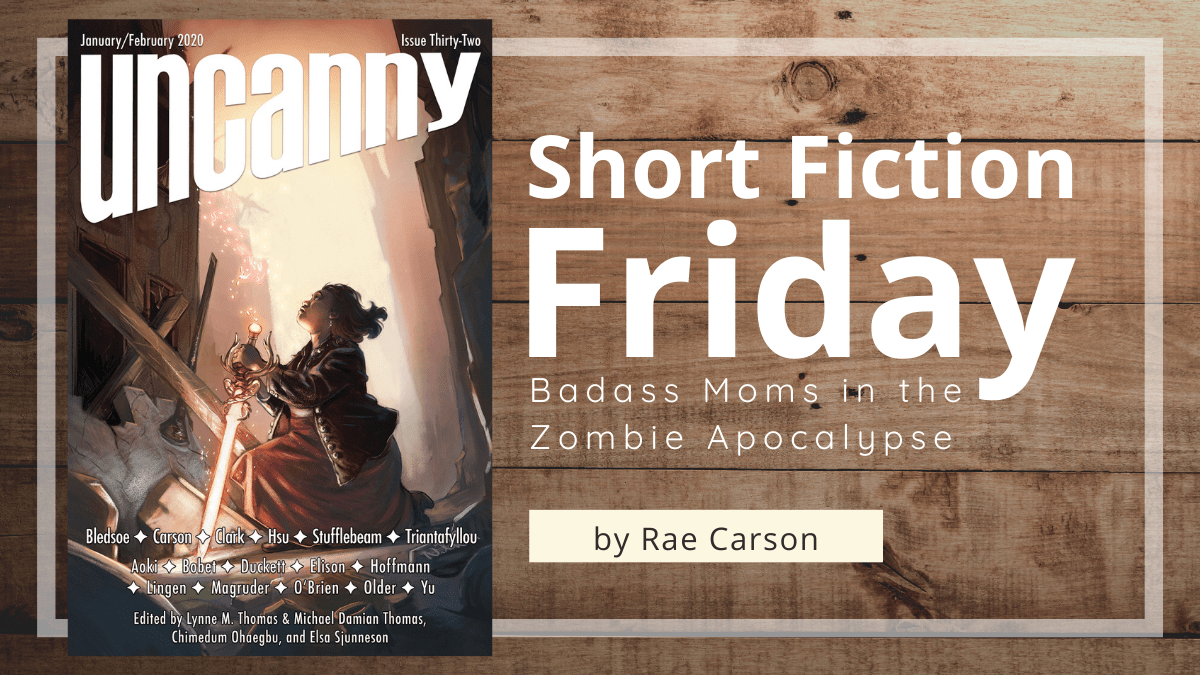
This short story is exactly what it says on the tin: it’s about badass moms who are in the zombie apocalypse, and let me tell you – it’s accurate. These are some women who have been placed into impossible situations and are doing what’s necessary to move through it.
Stormsong by C. L. Polk
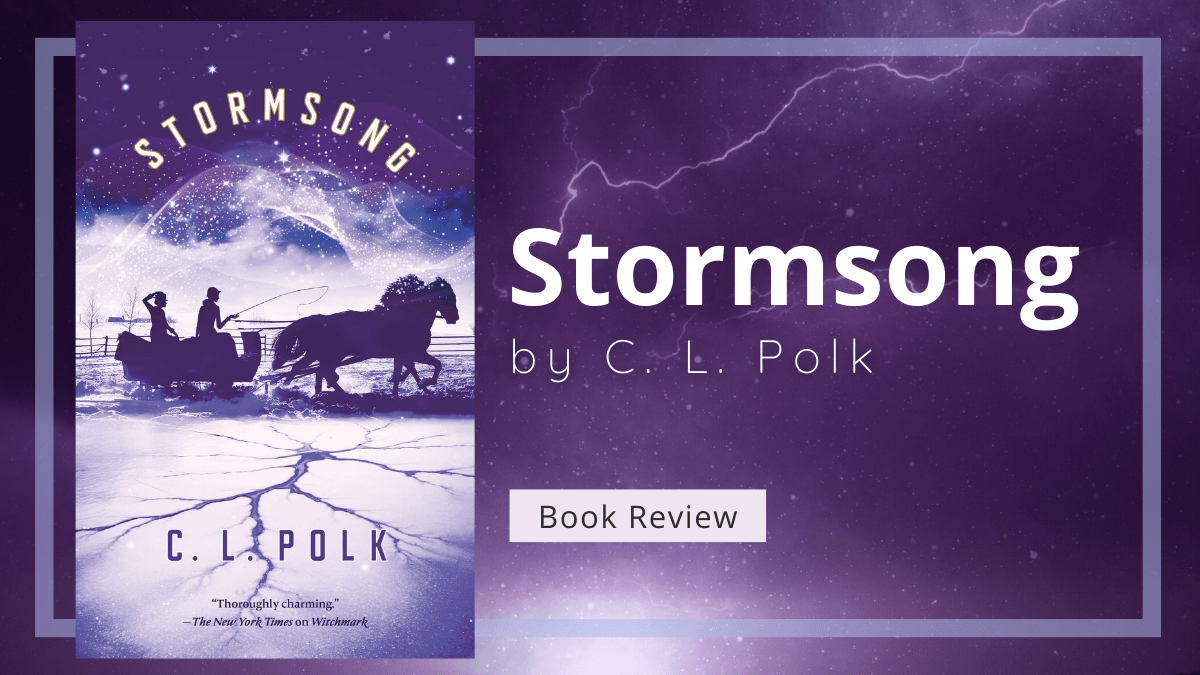
Stormsong lived up to it in many ways. I loved the romantic aspects, and I especially loved Grace’s romantic partner, Avia Jessup. However, I have one major gripe that overshadowed the whole experience for me: Grace never once had to truly face any consequences or earn redemption for her horrible actions in Witchmark.
This Is How by Marie Brennan
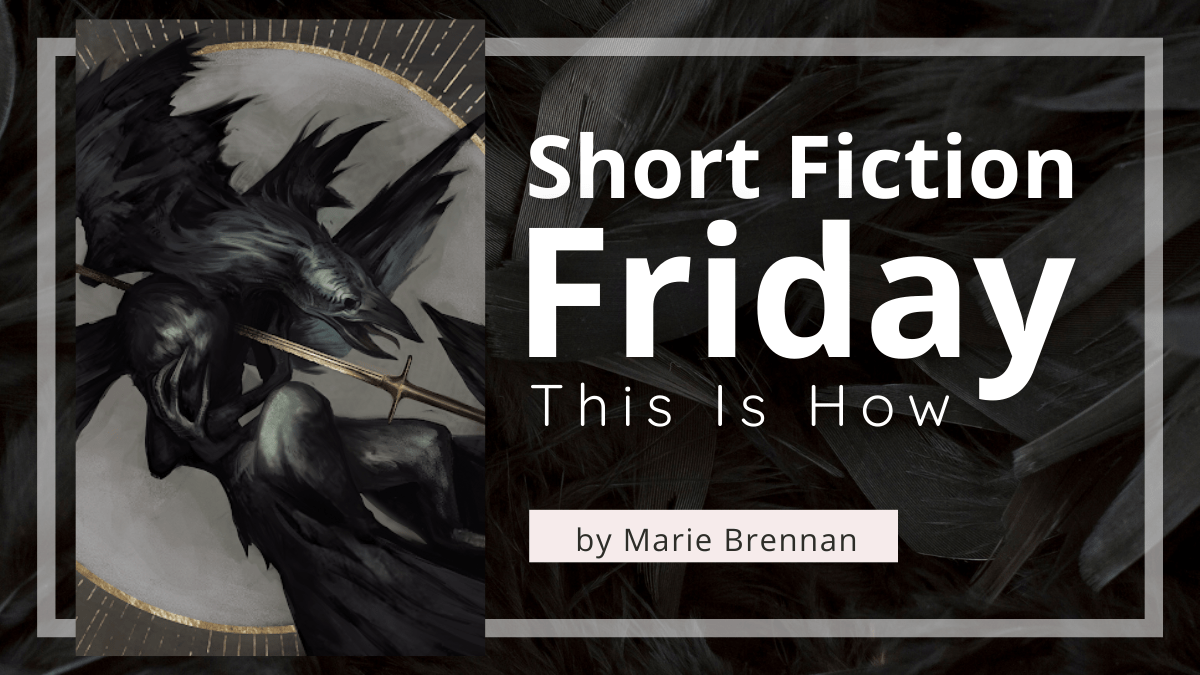
This Is How is a contemplation on the fall from grace, the tragedies of untimely death, the horror of abuse, and the road to redemption. Valravns are created through a tragedy that is not in any way their fault. A child dies because others did not care for them. The raven does as ravens do – it feeds. Neither of these two parties are responsible for this. They are innocents. Yet, a monster is nevertheless created by the lack of care on the part of others. This mirrors the cycles of abuse that we see in families; although children aren’t at fault because their parents abused them, a new monster may well be created as the child continues the cycle of abuse once they become adults as well. The abused become abusers. Where valravns are concerned, the killed become the killers.
Archivist Wasp by Nicole Kornher-Stace

Archivist Wasp is a strange blend of post-apocalyptic dystopia, ghost hunting, and metaphysical descent into the underworld. My response on completing it can be summarized as “very weird, very good.” Although intriguing, philosophical YA is nothing new, Archivist Wasp takes this to a new level. Nicole Kornher-Stace crafts a world predicated not only on life and death, but also on the interconnectedness of life and our inability to define ourselves without using others as points of reference. None of us live in a vacuum, and the only way to grow and maintain our sense of self is through those we care for.
The Unlikely Escape of Uriah Heep by H. G. Parry
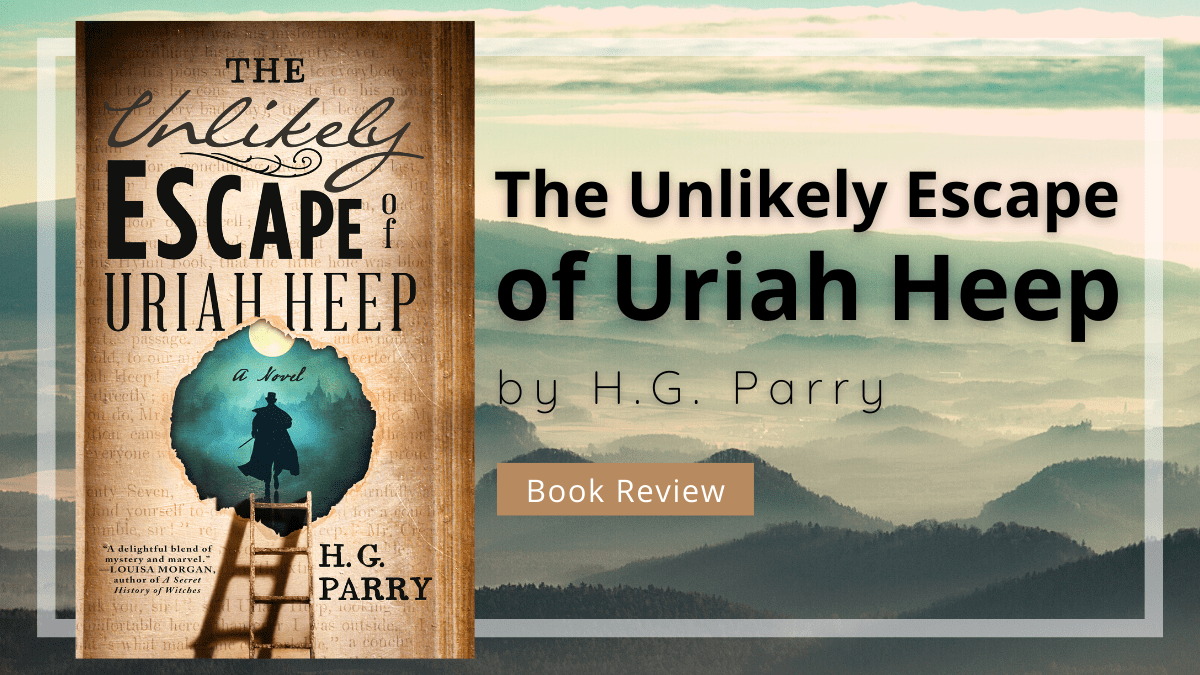
Fans of low fantasy with mundane, yet endearing, characters will find much to love in H. G. Parry’s The Unlikely Escape of Uriah Heep. I’ll confess, I was very slightly dubious when I encountered this book’s premise. It felt a little cheesy to me. However, when I saw the names who were endorsing it, I couldn’t resist prodding Orbit for a review copy. Alix E. Harrow loved it? So did Matthew Ward? Okay, I was in. And I didn’t regret it one little bit. This book has the one thing I love most in my books: absolutely wonderful characters. The characters took a book that would have been merely good, and made it into something loveable and joyous. I felt that same spark of joy that I encountered when I read The Ten Thousand Doors for the first time.
Prosper’s Demon by K. J. Parker

Prosper’s Demon is an absolutely stellar example of KJ Parker’s signature wit. As always, Parker’s protagonist is more than a bit of an asshole, but you have to love the wry, humorous prose he’s couched in. This would be a great entry point for someone new to Parker’s short fiction, given how thoroughly it epitomizes the tone and characters he’s known for. Although this novella shares a universe with My Beautiful Life, they are both stand-alone and independent of one another.
 Christine Sandquist